

Since The Favorites came out, I have seen a number of posts criticizing the US cover for being AI. I got tagged in yet another one today and decided it was finally time to make A Statement, both on the cover allegations and on my own personal views re: Artificial Intelligence.
First off: no, the Favorites cover is not AI-generated. It was created by an extremely talented, definitely human designer (only linking to her site rather than including her name in this post cause I don’t want her catching unnecessary strays). We went through many, many revisions of the cover, and I was lucky enough to get to see and weigh in on all of them — which is very much not the norm in publishing!
Now, if you look at the jacket design credits, they mention use of Adobe Firefly, which is a generative AI feature added to the Photoshop suite in 2023. Firefly was used by the designer solely to add sequins to the stock models’ clothing (the female model’s dress was plain black in the original image, and the male model’s shirt was white).
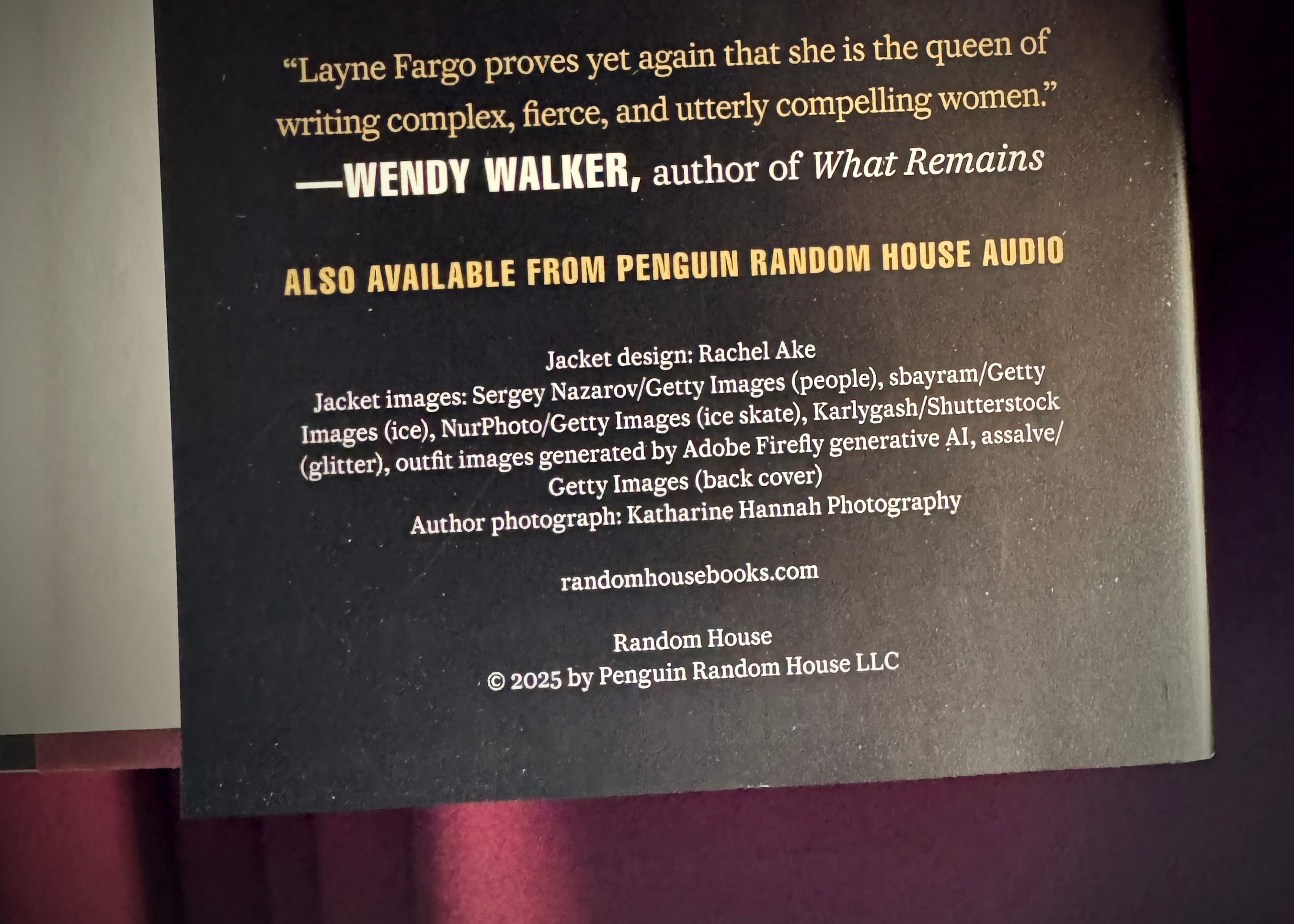
This was done with my full knowledge and permission, and in my personal opinion this is an appropriate use of AI: as one tool of many in a varied toolbox to assist, rather than replace, human creativity. I won’t claim to be a graphic design expert, but I see little difference between this application of the technology and, say, using advanced Photoshop features like automatic subject selection (which, by the way, was already AI-powered long before we were all freaking out about AI).
In addition to writing ultra-dramatic novels, I have a master’s degree in Library and Information Science, so I have been watching the rise of AI with both suspicion and fascination. My work, like that of so many other authors, has been used without permission or compensation to train AI, and yeah, that pisses me off. Hollywood celebrities like Reese Witherspoon trying to convince women that learning to use AI is some sort of feminist girlboss power move pisses me off too.
But ultimately, this technology is a tool, and like any tool, it depends how you use it. I would never, ever use AI to write, or to brainstorm plot points. If I post character art, it will always be drawn by a real human artist (like Carol Garcia, who created this gorgeous portrait of Kat & Heath). Every publishing contract I’ve signed since AI became mainstream has included a clause stating that my work cannot be used to train AI and that AI-generated cover designs are not permitted.
However, I do on occasion use AI for research. Sometimes I find useful information, sometimes I don’t. At this point, ChatGPT and the like are basically souped-up search engines that can respond to complex queries and summarize large amounts of information quickly. So any chatbot response is a jumping-off point for further exploration, not a definitive answer to be taken at face value. You still have to comb through all the primary sources, evaluate them for credibility, and double- or even triple-check important facts (just as you should with regular search engine results!).
One of my favorite Substacks at the moment is Card Catalog, which is written by librarian Hana Lee Goldin. This post from a few days ago gave me a lot to think about:

I can’t imagine myself using AI in my workflow even to the extent she describes in the post, but I very much align with her overall philosophy about how to engage with it ethically and mindfully. Whether it’s spell check or AI or some shiny new thing that’s coming along next, I only ever want to utilize tech to allow my brain to create and connect and challenge myself more, not less.
Oh and one more thing, cause I know someone will bring it up: I have also seen folks confidently claim that they could tell the Favorites cover was AI due of the placement of the skate. Those eagle-eyed readers are correct, human legs do not bend that way — but AI is not to blame for this one.
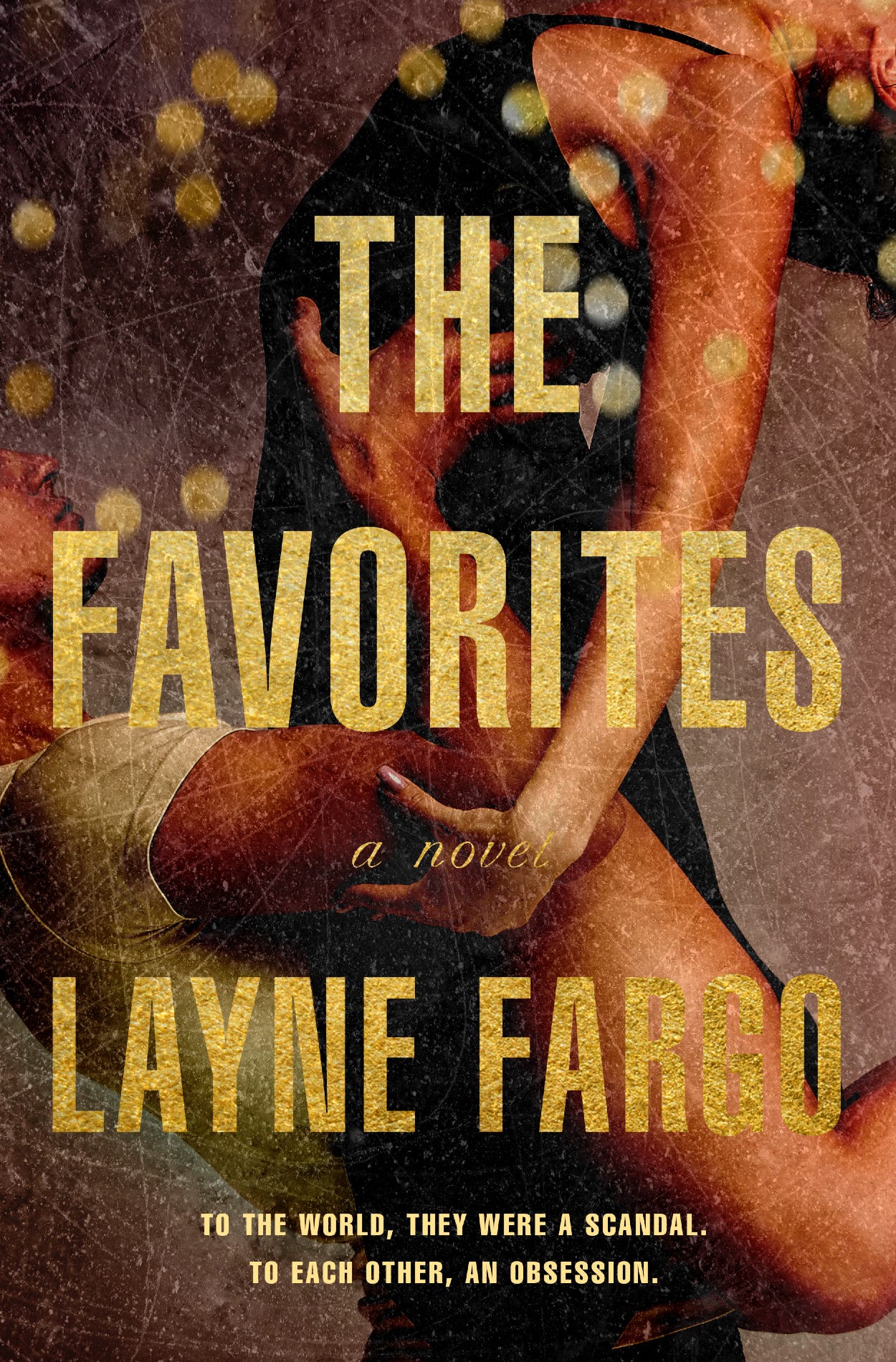
In the original stock image, the model’s foot isn’t visible, and we wanted to add a skate to make it clear that this was a book about ice skaters, not just random sexy dancers. Again, there were many different versions involved, much discussion (among humans!) of plausible anatomy vs. the overall visual harmony of the design, and in the end, the placement you see on the final cover was the best compromise.
It may not be perfect, but it is beautiful. And that, more than anything, should tell you that this is a work of art created by real people, not machines.
I work with a lot of young people who like to vilify AI to the point of absurdity so hearing someone who shares the opinion that when used properly can be a powerful tool that makes things easier and more accessible. As far as the ecological ramifications, we can blame capitalism for rushing too many tools to market without even fully developing them much less refining them enough to keep them from detouring the planet.
I appreciate the balanced, nuanced approach to discussing AI—I feel like many people especially in the book space have become warriors against it and while I totally see the negative aspects there are some positive ones too. It has massively helped me in day to day life informing various decisions or researching the best baby gear, compare local preschool options, analyze neighborhoods we may want to consider living in, etc. It’s far from a perfect tool but I find the total vilification of it extreme.